

The desire to live in world free from fear and harm, and where we can thrive and live our lives to the fullest are basic human needs. Being accepted, valued and to matter.
To make these aspirations reality for all requires action.
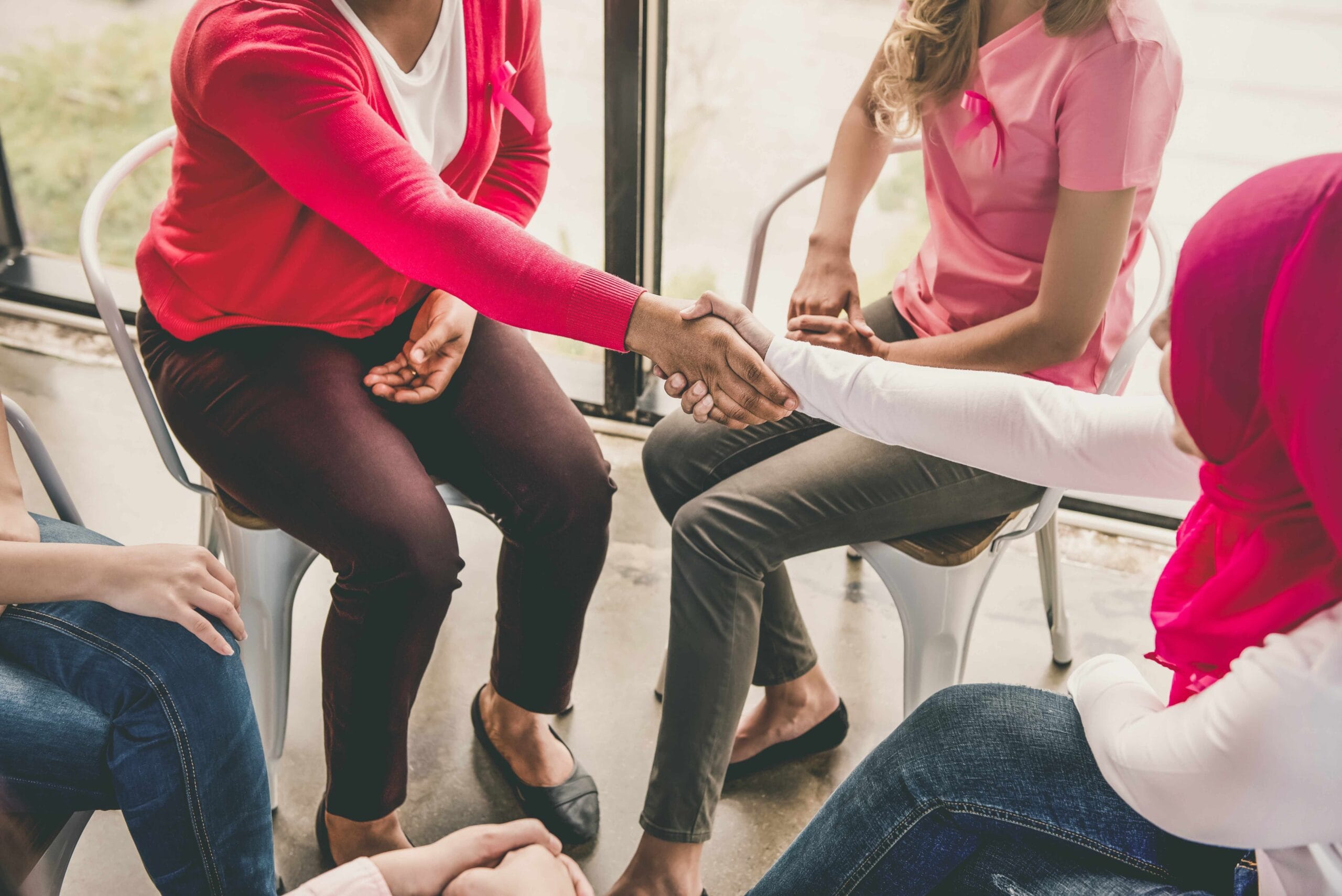
But we cannot bring about sustained change on our own. We need to work together. And each of us can play a part in the process of action for change. We each have a POSITIONALITY.
Positionalities are fluid. Depending on our different identities (e.g. race, ethnicity, nationality, gender, sexuality, age, etc.) we may find ourselves in any one the positions at different times and in different spaces. Importantly with the right level of motivation, ability, confidence and support there is action we can take from these different positions – recipient, observer, bystander, or designer.
Recipient – in this position we learn how best to cope and respond to the lived experience of direct indirect and vicarious forms of discrimination. How to non-violently ‘push back’ and hold boundaries, whilst working with others to bring about lasting change.
Observer – By moving from being a passive bystander to getting actively involved as an ally we can begin learning how to be a better friend or colleague for those we notice being treated unfairly, excluded or harassed.
Source – Taking the courageous step to recognise the adverse impact of our learnt behaviours and wanting to do better can be a game changer. Here we learn new ways to act that recognises and respects the needs of others. With help, we can take responsibility for learning new ways of being.
Designer – Ensuring leaders, decision makers and or policy creators consider the wider impact of their ‘system design’ is key to change too. Here finding ways to genuinely listen and actively respond to what people tell us can help us be accountable and adaptable leaders and policy makers.
To find out more go to our resources page or book onto one of our trainings.